
Daily Sunscreen Shouldn't Just Be a Summer Thing
Most people reach for sunscreen in July because they don't want to burn at the beach. That makes sense. But the case for daily sunscreen use has very little to do with a single afternoon in the sun and everything to do with what accumulates over years, decades, and a lifetime of unprotected exposure. UV radiation is the leading environmental cause of skin aging and the primary driver of most skin cancers, and the damage doesn't announce itself in real time. It builds quietly, beneath the surface, long before it becomes visible.
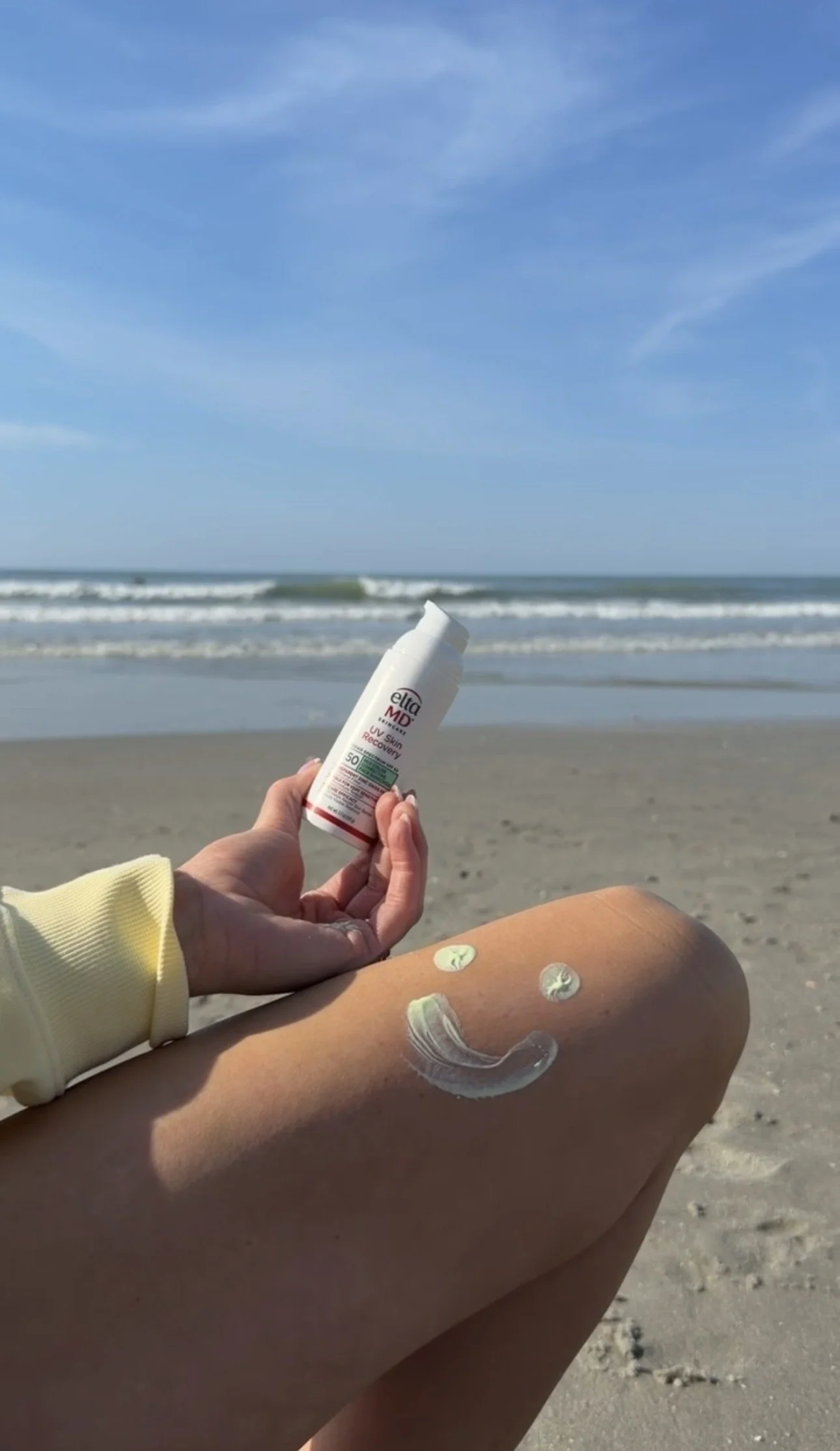
Sun Damage Doesn't Just Happen at the Beach
Most people only think about sun protection when they can feel the sun on their skin. But UVA rays, the ones that contribute most to long-term aging and cellular damage, penetrate glass, clouds, and the windshield of your car. They're present year-round, at consistent intensity, and your skin is accumulating that exposure on every ordinary Tuesday, not just beach days. I don't wait until the problem is obvious to start protecting what matters. I encourage choices now that keep us healthier longer and treat the body as something worth tending before it gives us a reason to.
Broad-Spectrum Protection is Non-Negotiable
You want coverage against both UVA and UVB rays, and SPF 30 is commonly considered a minimum for daily use. But honestly, daily consistency and reapplication matter far more than chasing a higher number. A formula you'll actually use every morning is better than a perfect formula you skip. What you put on your skin matters too, and not all sunscreens are formulated with the same standard of care. I appreciate medical-grade skincare for this reason. The formulations tend to be more rigorously developed and better studied than what lines most drugstore shelves.
Proactive Skin Health Fits the Same Philosophy as Everything Else Here
If you're already investing in your hormones, your metabolism, your energy, and your overall vitality, your skin deserves that same intentional attention. It's part of the same long-term picture of taking care of yourself before something goes wrong. The patients I see in this practice aren't waiting for a problem before they start paying attention, and daily sunscreen is one of the simplest, most evidence-based ways to live out that same mindset. Reactive care waits until something breaks. Proactive care doesn't give it the chance.
If you are ready to take a more intentional approach to your long-term skin health and overall wellness, I would love to talk. Reach out to schedule a consultation at It Is Well.

